
Wolf Cut Hair Color: 20 Best Dyed Wolf Cut Ideas for 2026
A wolf cut already turns heads with its choppy layers and textured shape but the right wolf cut hair color can make every layer pop. Discover shades that add depth, complement your natural coloring, and give your wolf cut a fresh, eye-catching finish without unnecessary damage.
In this guide, you’ll find 20 wolf cut hair color ideas, from honey bronze and balayage to silver, split dye, pastel, emerald, and chocolate. You’ll also learn how to choose a shade by skin undertone, hair level, texture, and maintenance needs.
We’ll cover salon costs, DIY options, bleach, color care, and common mistakes so you know what to ask for before your next appointment.
Explore: Detailed Look Book 55 Wolf Haircuts for Women
What Is a Dyed Wolf Cut?
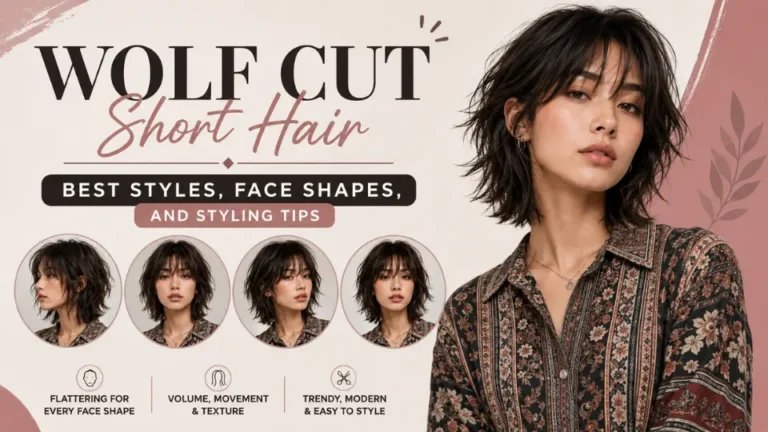
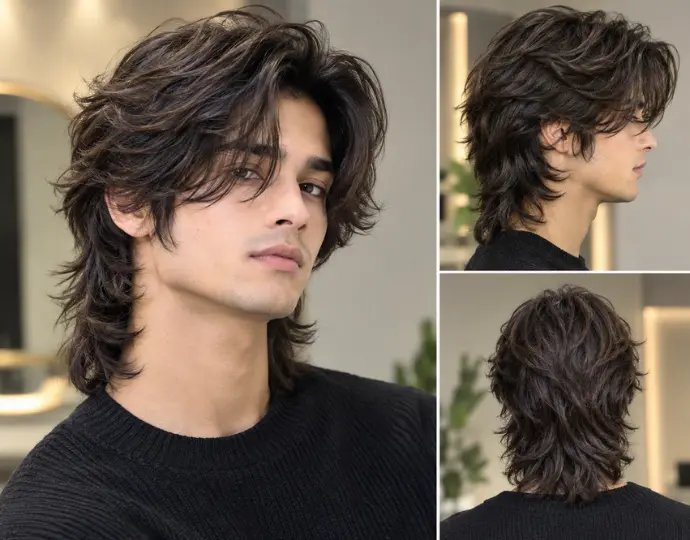
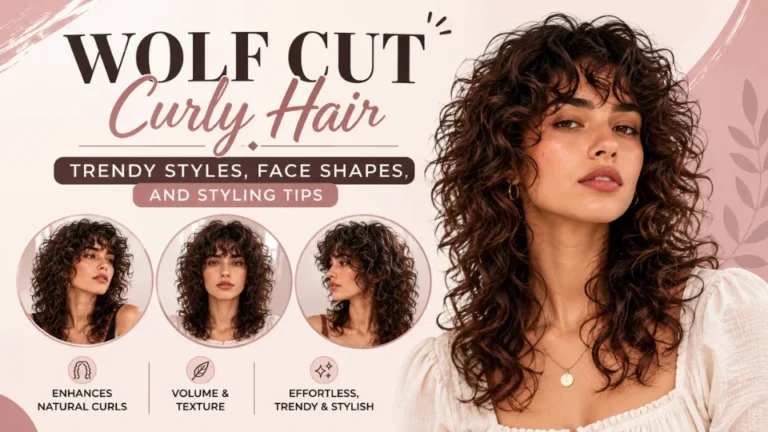
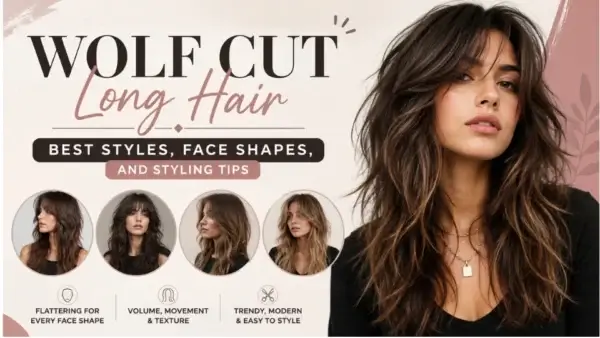
A dyed wolf cut takes the signature shag-meets-mullet haircut and gives it extra dimension with the right wolf cut hair color. Short, choppy crown layers and face-framing pieces flow into longer, textured ends, while highlights, balayage, split dye, or vivid shades can make each layer stand out.
The wolf cut has strong ties to modern Korean and K-pop-inspired hair culture and has gained wider attention through social media and celebrity hairstyles. Billie Eilish, Jenna Ortega, and Renée Rapp have all worn different versions of the style, showing how a well-chosen hair color can completely change the look.
Quick Pick Color Guide
Not sure which wolf cut hair color to choose? Use this quick guide to narrow down your options.
| If you want… | Try… | Maintenance |
| A natural, warm look | Honey bronze or caramel | Low |
| A dark, glossy look | Chocolate brown or soft black | Low |
| More dimension | Balayage or gray blending | Low–medium |
| A bright face-framing effect | Blonde money pieces | Medium |
| A bold but wearable color | Copper or auburn | Medium |
| A hidden pop of color | Purple, teal, or pink underlayer | Medium |
| A dramatic two-color style | Black and red or black and blonde split dye | High |
| Bright fantasy color | Pink, blue, purple, or green | High |
| A cool, futuristic finish | Silver or platinum | High |
| A temporary experiment | Colored tips or dip-dye | Low–medium |
Quick rule: If you want the easiest grow-out, stay close to your natural color. If you want maximum contrast, vivid shades and split dye will create more impact but require more maintenance. For dark hair, remember that bright, pastel, silver, and platinum shades may require bleaching first.
20 Best Wolf Cut Hair Color Ideas
These ideas are organized by color style and placement, so you can quickly find a look that matches your personality and maintenance level.
Natural and Blended Wolf Cut Hair Colors
1. Honey Bronze Wolf Cut

Honey bronze combines warm golden-brown tones with subtle honey pieces. It is a good option for a medium-brown base when you want more dimension without going extremely light.
The color works naturally with the uneven layers of a wolf cut. Because the shades are relatively close together, regrowth can look softer than with a high-contrast color.
A refresh every 10 to 12 weeks can work well for this type of lived-in color, depending on how quickly your hair grows.
2. Chocolate Brown Wolf Cut
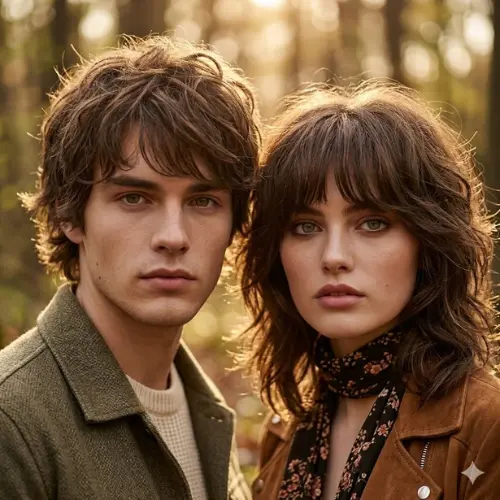
Chocolate brown gives a wolf cut depth without requiring dramatic lightening.
It is especially useful if you want to keep your natural-looking appearance while still making the layers visible. A gloss can add shine and help prevent a dark wolf cut from looking dull.
This is also one of the easier options to maintain because it doesn’t require repeated bleaching.
3. Gray-Blending Wolf Cut
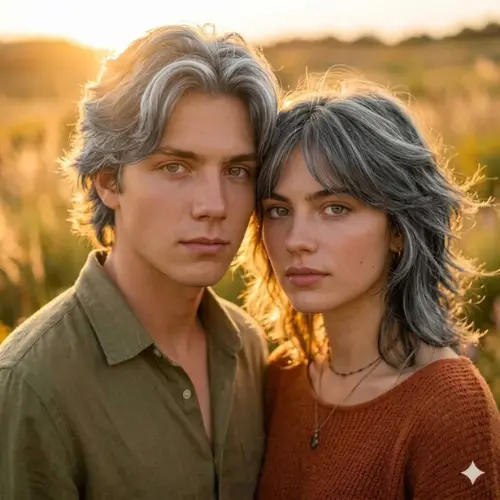
Gray blending works by combining fine highlights and lowlights with existing gray hair rather than trying to cover every silver strand.
The textured layers of a wolf cut can make this approach look particularly natural because the different tones move through the haircut.
A gloss can help refresh the tone between larger color appointments.
4. Balayage Wolf Cut

Balayage uses hand-painted lighter pieces instead of placing the same amount of color through every section.
On a wolf cut, lighter pieces can be positioned around the face and at the breaks between layers. This helps the shape catch the light without turning the entire haircut blonde.
Balayage generally works well on dark blonde through medium-brown bases. Salon pricing varies widely, but the rough U.S. range can be around $150 to $400.
A refresh may be needed every 10 to 12 weeks, depending on the placement and desired contrast.
5. Copper and Auburn Wolf Cut

Copper and auburn bring warmth to choppy layers and can make textured ends appear brighter.
Jenna Ortega has been associated with red-toned and shaggy wolf-cut-inspired looks, while celebrity wolf-cut coverage also frequently highlights how warm colors change the appearance of the layered shape.
Copper can fade faster than many natural brown shades, particularly with frequent washing. A color-depositing conditioner or mask can help refresh the tone between appointments.
Light and Bright Wolf Cut Colors
6. Bleached Blonde Wolf Cut

Bleached blonde creates strong contrast between the individual layers of a wolf cut.
Billie Eilish has worn several dramatic hair-color changes with wolf-cut-inspired styling, including blonde, black, and red looks. Her different versions demonstrate how dramatically color can change the same textured haircut.
Bleach does require more care. Purple shampoo can help manage unwanted yellow tones, while regular trims can keep lightened ends from becoming overly fragile.
Root maintenance can also become noticeable after several weeks, especially when the base color is much darker than the blonde.
7. Silver Wolf Cut

Silver gives a wolf cut a cool, metallic appearance and makes the choppy texture highly visible.
Getting a true silver shade usually requires significant lightening first, followed by toning. The hair needs to reach a very pale base before the silver can appear clean and bright.
Silver can shift warmer as toner fades, so purple shampoo and color-safe products can help maintain the tone.
This is a higher-maintenance choice than natural brunette, chocolate, or honey shades.
8. Butter Blonde Wolf Cut

Butter blonde is softer and warmer than icy platinum.
It can give a wolf cut a bright appearance without the extremely cool finish of silver. The lighter color also helps show the separation between shorter crown layers and longer pieces at the back.
Because the shade is lighter than most natural bases, some bleaching may still be required.
Split Dye and Underlayer Wolf Cut Colors
9. Classic Split Dye Wolf Cut
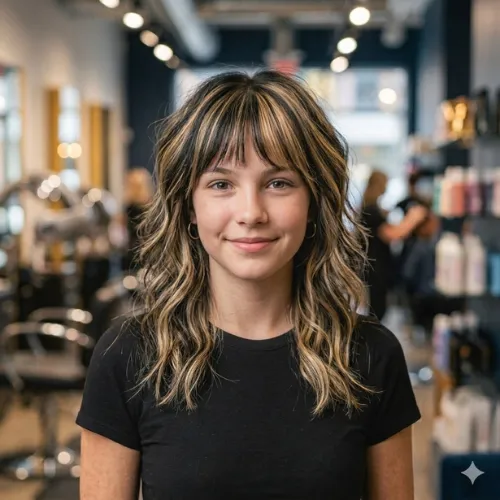
A split dye wolf cut uses two contrasting shades in different sections of the haircut.
For example, you could combine black and red, chocolate and blonde, or another high-contrast pairing.
The wolf cut’s natural division between shorter upper layers and longer lower sections makes it a good shape for this technique.
The color boundary should follow the haircut rather than cutting across an unrelated section. Otherwise, the result can look accidental instead of intentional.
A bold split dye generally needs more frequent maintenance, particularly when the lighter section has been bleached.
10. Two-Tone Wispy Wolf Cut
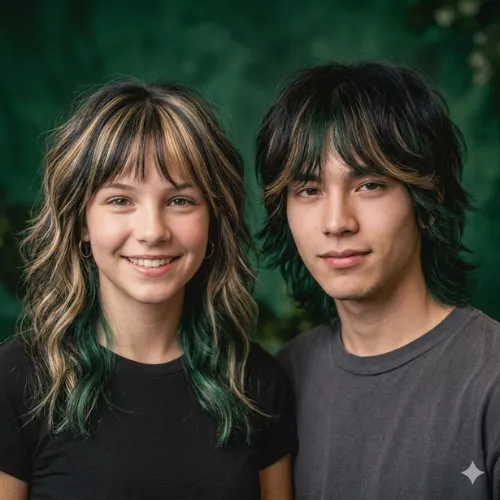
This is a softer alternative to a dramatic split dye.
Instead of creating one hard dividing line, two related shades are blended through the feathery ends. Chestnut and caramel are one example.
The result gives you contrast without the sharp visual break of traditional split dye.
It’s a good choice if you want something noticeable but easier to wear every day.
11. Peekaboo Underlayer Wolf Cut

A peekaboo wolf cut places color underneath the main layer of hair, often around the nape or behind the ears.
Purple, teal, pink, and red can work well for this placement.
The color can remain hidden when the hair falls naturally and become visible when the hair moves or is tied back.
That makes it useful if you want a vivid shade without having it dominate your entire appearance.
12. Dark Wolf Cut with Contrasting Top Layers
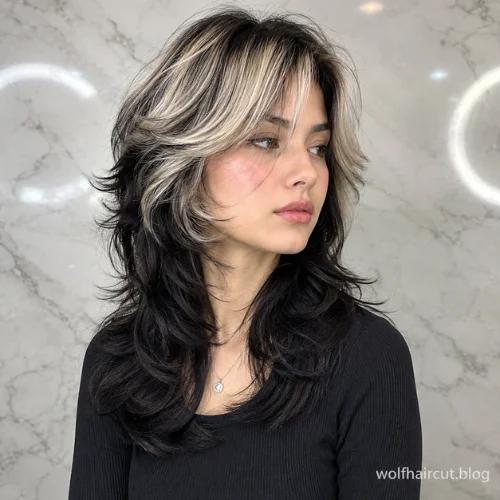
For a sharper look, keep the sides and nape darker while adding a contrasting shade to the longer top layers.
This placement works particularly well on short or medium wolf cuts because the difference between the upper and lower sections is easy to see.
It can also work with natural shades. For example, soft black underneath with a lighter brown or copper top creates contrast without using a fantasy color.
Colored Tips and Face-Framing Wolf Cuts
13. Dip-Dyed Wolf Cut

Dip-dye focuses the color on the ends rather than the entire haircut.
Because wolf-cut ends are already textured and uneven, the color doesn’t have to form a perfectly straight line. A blended transition can make the result look more natural.
This is also one of the easier ways to experiment with vivid color. If you eventually decide you don’t want it, trimming the ends gradually removes the colored section.
14. Wolf Cut with Colored Tips
Colored tips are similar to dip-dye but can be more subtle.
Pink, blue, lilac, red, or even a lighter brown can be added only to the ends of selected layers.
This works particularly well as a first color experiment because most of the hair remains natural.
A depositing conditioner can help maintain the shade between appointments.
15. Face-Framing Money Pieces
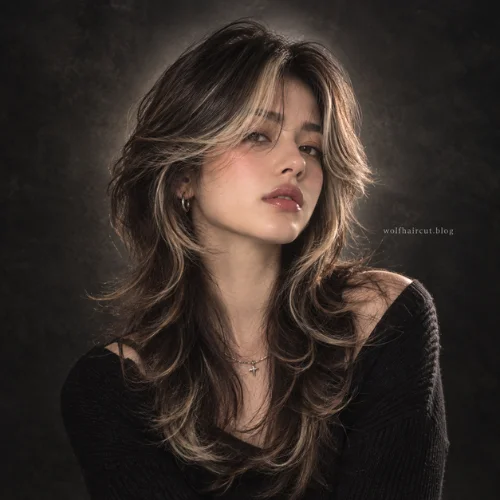
Money pieces are bright strands placed around the face while much of the back remains darker or natural.
The wolf cut already includes face-framing layers, so the placement follows the haircut naturally.
Only the front sections need significant lightening, which can make this option less demanding than coloring the entire head.
It also draws attention toward the eyes and cheekbones while keeping the back of the haircut relatively low-maintenance.
Vivid and Fantasy Wolf Cut Colors
16. Pastel Pink or Lilac Wolf Cut
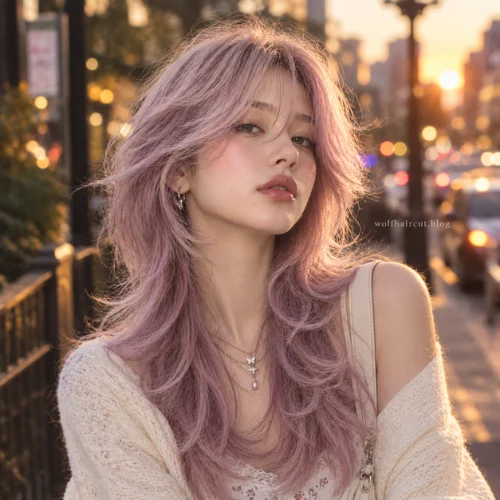
Pastel pink and lilac create a soft fantasy effect against choppy layers.
These shades usually require a very light blonde base. On darker unbleached hair, they will not produce the same pastel result shown in most reference photos.
Pastels also fade relatively quickly. Cool water, sulfate-free shampoo, and less frequent washing can help extend the color.
17. Pink and Red Wolf Cut
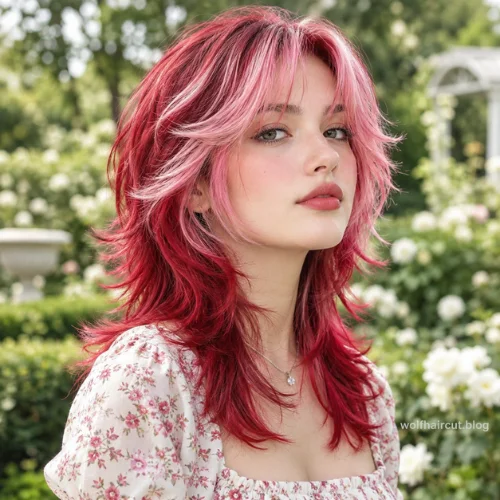
Pink and red create a much stronger visual effect than natural colors.
Billie Eilish has worn several red-toned wolf-cut looks, showing how a vivid shade can completely change the character of the haircut.
Red and pink shades can fade noticeably with repeated washing, especially when the hair has been bleached first.
A color-depositing mask every week or two can help keep the tone looking fresh.
18. Blue and Teal Wolf Cut
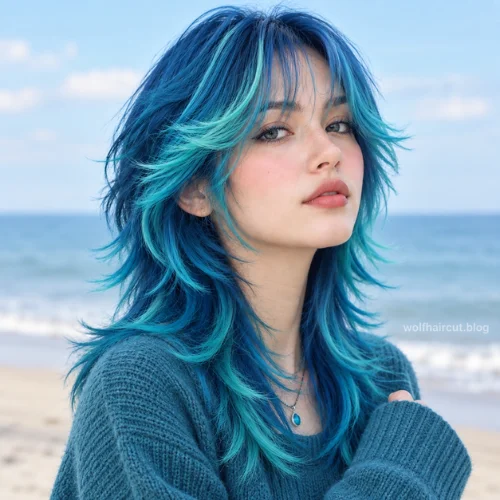
Blue and teal create strong contrast against dark hair, but the final result depends heavily on the starting base.
For bright teal or electric blue, the selected sections may need to be lightened first.
Teal can be particularly effective as an underlayer or peekaboo color because it appears when the hair moves.
A color-safe routine and cool-water washing can help slow fading.
19. Purple and Lavender Wolf Cut
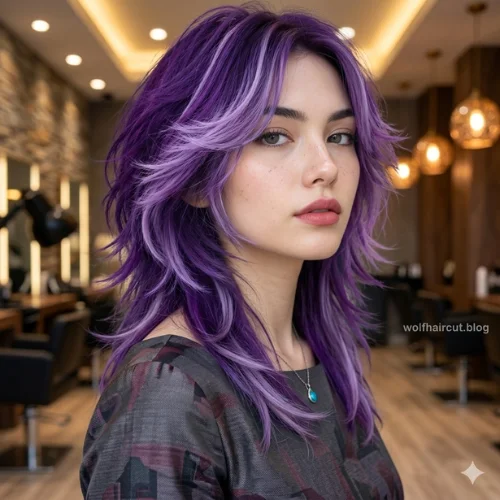
Purple gives you several options, from deep plum to pale lavender.
Deep purple can work on darker hair with less lightening, while pale lavender generally needs a very light blonde base.
This makes purple useful if you want a fantasy shade but aren’t sure how dramatic you want to go.
A toning or color-maintenance routine can help preserve the desired cool finish.
20. Emerald Green Wolf Cut

Emerald green is a richer alternative to neon green.
Billie Eilish is particularly associated with green hair during one of her well-known hair-color eras, demonstrating how a vivid green shade can become a defining part of a textured hairstyle.
For a more wearable result, choose deep emerald rather than fluorescent green.
The shade can look especially striking as an underlayer, on the ends, or against a dark natural base.
Best Wolf Cut Hair Color by Skin Tone
The best shade depends on more than the haircut itself. Your skin tone and undertone can help guide the color choice.
| Skin tone | Colors to consider |
| Fair | Honey blonde, copper, rose gold, ash brown, lavender |
| Medium | Caramel, chocolate, auburn, copper, teal |
| Olive | Chocolate, bronze, auburn, emerald, deep purple |
| Deep | Espresso, burgundy, copper, plum, emerald, vivid blue |
These are starting points rather than strict rules. Your undertone, natural hair color, and the level of contrast you want all matter.
Best Wolf Cut Color by Hair Length
Short Wolf Cut
Short wolf cuts can handle strong color placement because the layers are easy to see.
Money pieces, colored tips, vivid underlayers, and contrasting top sections can all emphasize the shape.
Medium Wolf Cut
Medium-length wolf cuts give you enough length for balayage, copper, split dye, and two-tone combinations.
This length is also versatile if you want to combine natural color with a small vivid section.
Long Wolf Cut
Long wolf cuts provide more room for balayage, dip-dye, ombré-style effects, and colored ends.
The longer back also allows subtle color transitions to develop gradually instead of stopping abruptly.
Wolf Cut Hair Color Ideas for Different Hair Textures
Straight Hair
Color tends to appear evenly on straight hair, so highlights and lowlights can help prevent the layers from looking flat.
Use color to create depth rather than relying only on brightness.
Wavy Hair
Balayage works particularly well with waves because the bends naturally catch and reflect light.
Soft highlights can emphasize movement without making the color look too uniform.
Curly Hair
Bleach can affect the feel and behavior of curls, especially when the hair is already fragile.
If you want a colored wolf cut on curls, discuss the condition of your hair with your stylist first. A bond-building treatment may be useful after lightening.
Coily Hair
Color is possible on coily hair, but shrinkage needs to be considered when planning both the cut and color placement.
Stretching the hair during consultation can help the stylist understand its actual length and see where the colored sections will sit.
Wolf Cut Hair Dye: DIY vs. Salon
What You Can Safely Dye at Home
Simple color changes are easier to manage at home.
These can include:
- All over color close to your natural shade
- Root touch ups
- Some colored tips
- Certain semi-permanent shades
Always perform a strand test first and follow the product instructions carefully.
How to Dye Wolf Cut Colored Tips at Home
- Separate the ends you want to color.
- Clip the remaining hair away from the section.
- Apply the dye according to the product instructions.
- Keep the color contained so it doesn’t spread into unwanted layers.
- Rinse with cool water.
- Follow with conditioner or the recommended after-color treatment.
When to Book a Colorist
Leave complicated techniques to a professional.
Balayage, major color changes, platinum, split dye, and large-scale bleaching require careful placement and processing.
This is particularly important with a wolf cut because the color needs to work with the existing layers.
How Bleach Changes the Wolf Cut Shape
Bleach can change how the hair feels and behaves.
Lightened hair may become more porous and fluffy, while heavily processed ends can become thin or fragile.
The crown can be particularly noticeable because shorter layers have less weight holding them down. If you’re planning a major color change, tell your stylist before the haircut is finalized.
In some cases, leaving slightly more weight in the crown can help preserve the shape.
If your ends are already heavily bleached and damaged, a softer wolf cut with fewer layers may be easier to maintain than an extremely choppy version.
Wolf Cut Hair Dye Cost and Maintenance at a Glance
Prices vary by location, stylist, hair length, starting color, and the amount of lightening required. These are rough U.S. salon estimates.
| Color idea | Typical salon cost | Touch-up | DIY-friendly? |
| Honey bronze | 120–200 | 10–12 weeks | No |
| Balayage | 150–250 | 10–12 weeks | No |
| Bleached/platinum | 150–300 | About 4 weeks | No |
| Split dye | 150–350 | About 5 weeks | Rarely |
| Dip-dye/colored tips | 80–200 | 3–6 weeks | Yes |
| Vivid all-over | 150–350 | 3–4 weeks | Partly |
| Soft black gloss | 60–100 | 6–8 weeks | Yes |
Your actual price may be higher or lower depending on your location and the condition of your hair.
How to Care for Wolf Cut Colored Hair
Colored hair needs a little more attention, particularly when bleach is involved.
Wash with cool or lukewarm water rather than very hot water. Use a color safe or sulfate-free shampoo when appropriate, and avoid washing more often than necessary.
Match your maintenance products to the color.
Blonde and silver: Purple shampoo can help manage unwanted yellow tones.
Red, pink, blue, and other vivid shades: A color-depositing mask can refresh the tone.
Brown and black: Gloss treatments can help maintain shine.
Limit excessive heat styling, especially on bleached hair.
A wolf cut also depends on its layers staying defined, so regular trims can help remove fragile ends and preserve the shape.
Dyed Wolf Cut: 7 Mistakes to Avoid
- Bleaching dark hair too quickly. Major lightening may require multiple sessions.
- Choosing pastel shades without enough lightening. Pastels usually need a very light base.
- Ignoring your undertone. Your skin’s undertone can help narrow down suitable shades.
- Placing a split-dye line without considering the haircut. The color should work with the layers.
- Overusing purple shampoo. Too much can affect the tone rather than simply maintaining it.
- Washing vivid color with very hot water. Heat and frequent washing can speed up fading.
- Coloring severely damaged hair without a repair plan. Fragile hair may need conditioning and strengthening before more chemical processing.
FAQs About Dyed Wolf Cuts
What is the best hair color for wolf cut styles?
It depends on your undertone, starting hair color, and maintenance preference. Honey bronze, chocolate, and soft black are relatively easy to maintain, while platinum and vivid shades require more upkeep.
What is a split dye wolf cut?
A split dye wolf cut uses two contrasting colors in separate sections of the haircut. The color boundary can follow the division between the shorter upper layers and longer lower sections.
Can you get a wolf cut with dyed hair underneath?
Yes. This is often called an underlayer or peekaboo color. The dyed section stays partially hidden underneath the main layer and becomes more visible as the hair moves.
How do you do wolf cut colored tips?
Separate the ends you want to color, lighten them first if necessary, and then apply your chosen shade. A stylist can create a more blended finish, while simple tip coloring can sometimes be done at home.
How often should you touch up a dyed wolf cut?
It depends on the color. Vivid shades may need refreshing every three to four weeks, while balayage and natural-looking colors can often go around 10 to 12 weeks.
What is the lowest-maintenance dyed wolf cut?
Honey bronze, soft black, chocolate brown, and subtle face-framing pieces are among the easier choices to maintain because they can grow out more softly.
Can you dye a wolf cut at home?
Yes, simple jobs such as all-over color close to your natural shade, root touch-ups, and some colored tips can be manageable at home. Leave balayage, platinum, major bleaching, and complicated split dye to a professional.
What is the best wolf cut hair color for dark hair?
Chocolate, auburn, copper, burgundy, deep purple, and emerald can work well on darker bases. Brighter pastel or silver shades usually require pre-lightening.
Can you dye a wolf cut without bleaching it?
Yes. Darker reds, browns, burgundy, some purples, and other deposit-only shades can work without full bleaching. The result will depend on your starting color.
Does bleach damage a wolf cut?
Bleach can make hair more porous, dry, or fragile, particularly when the hair is already damaged. A stylist can adjust the lightening process and haircut to reduce unnecessary stress on the hair.
Final Thoughts
Choosing the right wolf cut hair color is about more than picking a shade you love. Consider your haircut, current hair color, skin undertone, hair texture, and how much maintenance you’re comfortable with. Subtle options like colored tips, balayage, honey bronze, or face-framing pieces offer an easy change, while platinum, pastel, emerald, split dye, and vivid red create a bolder transformation.
Before your appointment, bring a few reference photos and ask your stylist what your hair can realistically handle. The right color should bring your wolf cut layers to life while fitting your personal style and maintenance routine. Explore the color ideas above, save your favorite looks, and take your top choice to your stylist to create a wolf cut that feels uniquely yours.